




10 Things I Wish I Knew Before My First DEKA FIT
If HYROX feels like a hybrid between endurance racing and functional fitness, DEKA FIT feels like someone took the gym floor, spread it across an arena, and told you to move as fast as possible while your lungs try to escape your chest. After spending time around HYROX-style training, DEKA events, and functional fitness racing, I quickly realized that DEKA FIT is its own unique challenge. It rewards pacing, movement efficiency, grip endurance, and recovery just as much as raw strength or cardio capacity.

One of the biggest misconceptions people have about DEKA FIT is assuming it is “just another fitness race.” On paper, the event looks manageable. The runs are shorter than HYROX, the stations seem straightforward, and many of the movements are familiar gym exercises. But once you begin stacking zones together while trying to maintain pace, things change quickly. Your heart rate rarely settles, your grip starts to fade, and simple movements suddenly feel far more difficult than they should.
Unlike traditional endurance races where you can sometimes settle into a rhythm, DEKA FIT constantly interrupts your rhythm. One moment you are moving quickly through a run segment, and the next you are trying to control breathing while grinding through dead ball over shoulder reps or lunges. That constant change in movement patterns is what makes DEKA so challenging and so addictive at the same time.
Much like my Ironman training taught me the importance of transitions, DEKA FIT taught me that efficiency matters just as much as fitness. The athletes who perform well are not always the strongest or fastest athletes in the room. They are usually the athletes who know how to recover while moving, stay composed under fatigue, and avoid wasting energy during transitions between zones.
Before diving into the lessons I learned, it helps to understand what makes DEKA FIT different from other fitness races.
DEKA was created by Spartan as a standardized functional fitness competition designed to test strength, endurance, power, stability, and grit across a series of structured zones. Unlike obstacle course racing, there are no walls to climb or mud pits to crawl through. Instead, DEKA focuses on measurable fitness challenges that combine cardio and functional training in a controlled indoor environment.
DEKA FIT consists of 10 workout zones separated by 500-meter runs. The race combines air bike work, rowing, sled pushes, carries, lunges, burpees, and other functional movements that continuously challenge both muscular endurance and cardiovascular fitness. The standardized format also allows athletes to compare times across events and track long-term progress.

10 Things I Wish I Knew Before My First DEKA FIT
1. The First Few Zones Feel Easier Than They Really Are
One of the biggest mistakes I made was letting the adrenaline of the start dictate my pace. The opening zones do not feel terrible initially, especially when the crowd energy is high and your legs are still fresh. The problem is that DEKA FIT punishes people who spend too much energy early.
The first half of the race can trick you into thinking you are moving comfortably, but fatigue compounds quickly. By the later zones, especially after repeated runs and lower-body intensive movements, even short run segments begin to feel much longer than expected.
2. Grip Fatigue Becomes a Serious Problem
I underestimated how much grip endurance matters in DEKA FIT. Farmers carries, dead balls, rowing, and sled work all add up over time. Even if your legs and cardio feel decent, grip fatigue can slow you down dramatically.
This is something many athletes do not realize until race day. Once your forearms begin to tighten up, everything becomes harder. Carries become slower, transitions become sloppy, and movements that normally feel manageable suddenly become mentally draining.
Adding grip-specific work into training can make a huge difference.
3. Transitions Matter More Than You Think
A few seconds lost in every transition adds up quickly over the course of a race. Walking slowly into zones, standing around recovering too long, or fumbling with equipment can quietly destroy your final time.
Watching experienced racers showed me something important: they rarely waste movement. They move directly into the next station, recover while moving, and stay mentally engaged throughout the race.
Efficiency becomes free speed in DEKA FIT.
4. Running Under Fatigue Feels Completely Different
Running between zones sounds easy on paper because 500 meters does not seem very long. The problem is that you are rarely running on fresh legs.
Coming off sled pushes, lunges, or dead balls can completely change your stride. Your legs feel heavy, your breathing spikes, and maintaining pace suddenly requires far more focus than expected.
Training zone-to-run transitions is one of the smartest things you can do before your first event.
5. The Air Bike Can Wreck You Fast
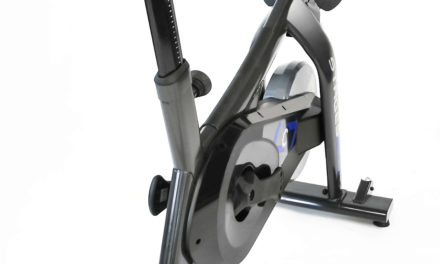
The air bike looks innocent until you attack it too aggressively. It is incredibly easy to spike your heart rate early and spend the next several zones trying to recover from it.
I learned quickly that pacing the bike is critical. Going all-out for the first minute feels productive until you realize you still have multiple zones and runs remaining.
Controlled effort almost always beats reckless intensity.
6. Dead Balls Are More Technical Than Expected
At first glance, dead balls look simple: pick the weight up and throw it over your shoulder. But once fatigue sets in, technique matters a lot.
Poor mechanics waste energy quickly. If you rely entirely on your lower back and arms, the movement becomes exhausting. Learning how to use your hips and timing properly can save enormous amounts of energy late in the race.
The athletes who move efficiently through dead balls usually look smooth and controlled instead of frantic.
7. Lunges Destroy the Legs More Than Sled Pushes
I expected the sled push to be the hardest lower-body station. Surprisingly, the weighted lunges ended up creating more cumulative fatigue.
The issue is not just strength. It is stability, balance, coordination, and muscular endurance all happening while your legs are already exhausted from previous zones and running.
After the lunges, the next run can feel awkward and slow if you are not prepared for it.
8. Recovery Starts Before Race Day
Hydration, sleep, and nutrition matter far more than many people realize. Functional fitness races create a unique kind of fatigue because they combine strength and cardio simultaneously.
Going into the race under-recovered or dehydrated can make everything feel exponentially harder. Proper fueling before and during the event makes a massive difference in energy consistency.
This becomes even more important in warmer indoor venues where temperatures rise quickly once heats begin.
9. Mental Composure Is a Huge Advantage
There will almost certainly be moments during the race where your body wants to slow down or stop. The athletes who perform well are often the ones who stay mentally composed when discomfort increases.
DEKA FIT is as much about managing effort and staying calm as it is about fitness. Panicking when fatigue hits usually leads to pacing mistakes and inefficient movement.
Breaking the race into smaller segments helped me mentally. Focusing only on the current zone instead of the remaining race made the event feel much more manageable.
10. DEKA FIT Is Addictively Fun
What surprised me most was how enjoyable the event was despite how difficult it became. There is something uniquely rewarding about moving through the zones, hearing the crowd energy, and testing yourself against a standardized format.
Unlike some races where pacing can become repetitive, DEKA FIT constantly changes demands. Every zone feels different, and every athlete tends to discover different strengths and weaknesses throughout the race.
That combination of challenge, structure, and atmosphere is what keeps people coming back for more.
BONUS
Counting Reps and Counting Laps
One thing I completely underestimated before my first DEKA FIT was how difficult it can be to keep track of reps and laps once fatigue starts setting in. It sounds simple sitting at home reading the workout list, but race day is a completely different experience. Your heart rate is elevated, music is blasting, judges are calling out reps all around you, athletes are moving in every direction, and your brain starts operating at about half speed once fatigue kicks in.
The first time I experienced this was during stations where reps begin stacking up quickly. Early in the race, counting feels easy enough. But later on, especially after multiple runs and taxing zones, it becomes surprisingly easy to lose track. You start questioning yourself mid-set. Was that 18 or 19? Did I already finish that lap? Did the judge count that rep? Those small moments of uncertainty can break rhythm and cost valuable time.
This becomes even more noticeable during stations involving laps or down-and-back sections. In training, you usually know your environment and can mentally track movement without much thought. During a DEKA FIT event, however, everything feels chaotic compared to your normal gym setting. The combination of adrenaline and exhaustion can make even basic counting feel harder than it should.
One of the best things I learned was to develop simple mental checkpoints before race day. Instead of trying to count every single rep individually from start to finish, breaking movements into smaller chunks helped tremendously. Mentally grouping reps into sets of five or ten made it easier to stay focused without panicking if I briefly lost count.
For lap-based stations, I also realized how important it is to stay aware of course markings and judge instructions. There is a huge temptation during the race to move on too quickly because you are exhausted and eager to finish the zone. But missing a lap or shorting reps can lead to penalties or force you to go back and repeat work after you thought you were done.
Fatigue does strange things to the brain during functional fitness races. Simple math suddenly becomes difficult, spatial awareness fades, and concentration drifts far easier than expected. That is why experienced racers often look calm and controlled rather than frantic. They understand that efficiency is not just physical. It is mental too.
Looking back, I probably spent almost as much energy trying to mentally stay organized as I did physically completing some of the zones. It is one of those things nobody really tells you before your first DEKA FIT, but once you experience it, you immediately understand why staying composed matters so much.
Final Thoughts
DEKA FIT sits in a really interesting space between endurance racing, CrossFit-style conditioning, and functional fitness competition. It demands more strategy than many people expect and exposes weaknesses quickly, whether that is pacing, grip endurance, recovery, or movement efficiency.
What makes the event so appealing is that almost anyone can participate while still feeling challenged. Elite athletes can push for competitive times, while everyday gym-goers can focus on simply finishing strong and improving over time.
The biggest lesson I learned is that success in DEKA FIT is not about dominating one zone. It is about managing energy, staying efficient, and maintaining consistency from start to finish.
And once you cross that finish line, there is a very good chance you will immediately start thinking about the next race.